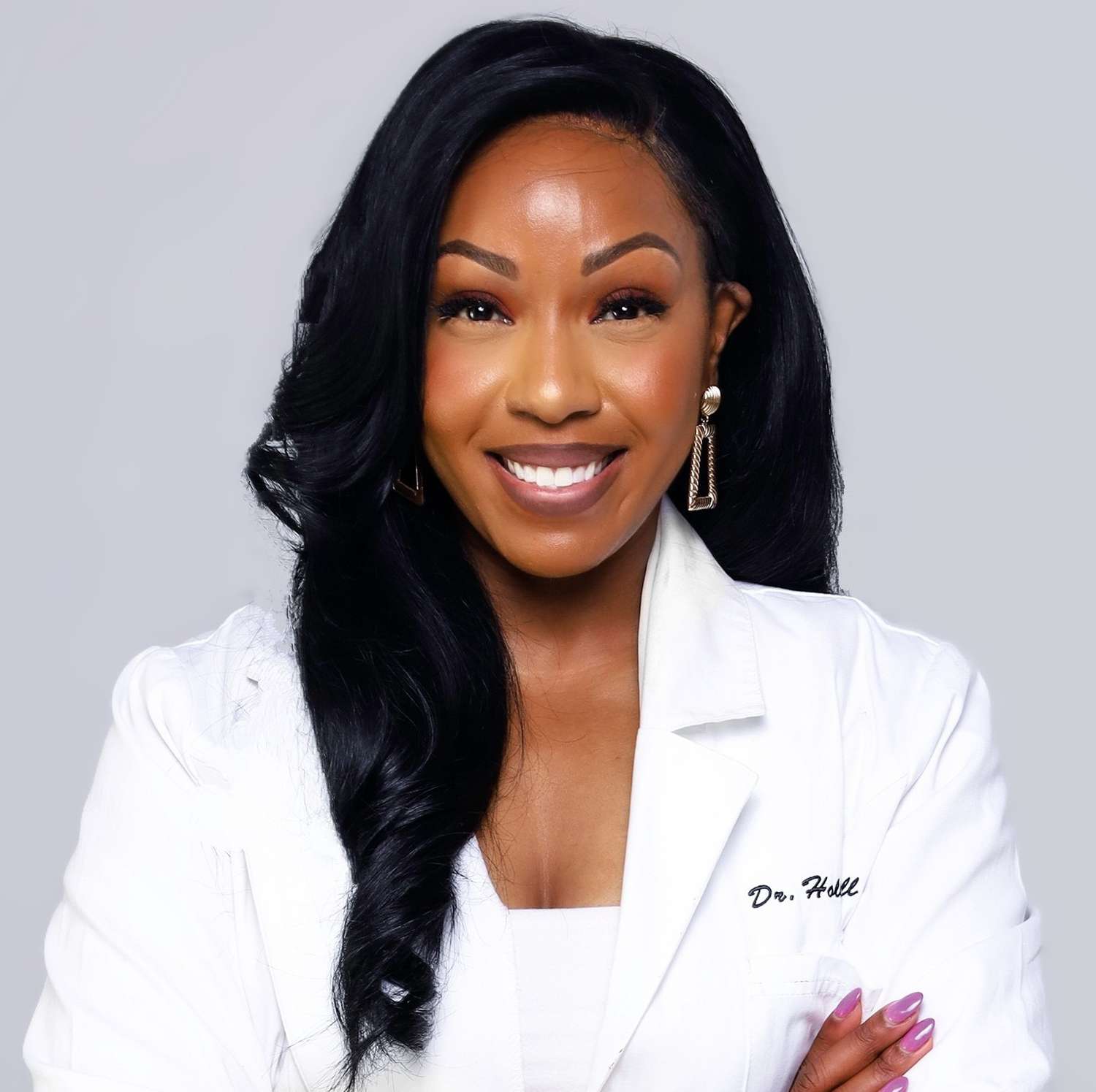
The ABCs of Safe Sleep
Remember this simple but crucial acronym: ABC. It’s the foundation of the American Academy of Pediatrics (AAP) safe sleep recommendations for a baby’s first year, and it’s easy to remember even when you’re sleep-deprived.
The ABCs Explained (PHOTO carousel):
- A - Alone: No stuffed animals, blankets, pillows, or other items in the sleep space
- B - Back: Always place baby on their back for every sleep
- C - Crib: In a safety-approved crib, bassinet, or play yard with a firm mattress
Safe and Sound
Let's build the ideal safe sleep space together. Each element matters for your baby's safety.
The safety-approved crib checklist:
- Firm mattress - No softness or sinking
- Fitted sheet only - No loose bedding
- Empty space - No toys, pillows, or positioners
- Proper assembly - No drop-side cribs, all hardware secure
 Doulores
Even items that seem harmless, like small blankets or breathable bumpers, aren't recommended for safe sleep. An empty crib is a safe crib.
Back to Sleep
Why back sleeping works:
- Airway protection: Prevents rebreathing exhaled carbon dioxide
- Overheating prevention: Allows better temperature regulation
- Reflex protection: Maintains protective airway reflexes
- Risk reduction: Dramatically lowers SIDS risk
DouloresAlways place your baby on their back to sleep, even if they can roll over. Once they can roll both ways independently, they can choose their sleep position, but you still start them on their back.
Temperature & Overheating
Overheating is a serious risk factor for SIDS. Let's learn how to keep your baby at the perfect temperature for safe sleep.
Safe temperature guidelines:
- Consider the ambient temperature of the room when dressing baby
- Dress baby in one more layer than you're comfortable wearing
- Avoid covering baby’s face and head
- Check for signs of overheating (sweating, chest feeling hot)
DouloresA room around 68 to 72°F, or 20 to 22°C, is often given as a comfortable range, and I'd treat it as guidance rather than a rule: the AAP does not specify a number. What matters more is watching for signs of overheating.
When to Stop Swaddling
Swaddling can be comforting for newborns, but it must be done safely and stopped at the right time.
Safe swaddling practices:
- Hip-healthy - loose enough around hips for leg movement
- Chest-comfortable - not too tight around chest or lungs
- No overheating - use lightweight, breathable fabrics
- Know when to stop - Baby attempts to roll (usually in the Shimmering Shallows stage).
DouloresSome babies start rolling as early as 2 months of age, but every baby is different. The moment your baby shows any signs of rolling, switch to a sleep sack or wearable blanket. Swaddling restricts movement that babies need for safe rolling. If your baby can break out of a swaddle, it’s time to switch to a sleep sack or wearable blanket. Breaking free can leave a loose blanket in the sleep space, which poses a safety risk.
Sharing a Sleep Space
Room-sharing reduces SIDS risk by up to 50%, but bed-sharing can increase risks significantly. Let's understand the difference and set up the safest arrangement for your family.
- Room-sharing: Baby sleeps in your room in their own safe sleep space
- Ideal duration: From Misty Jungle to the end of the Grand Vulcana stage (0-6 months), ideally until baby enters the Shifting Dunes (around 12 months)
- Bed-sharing risks: Adult bedding, pillows, and rolling hazards
- Emergency planning: What to do if you accidentally fall asleep with baby
SAFER Bed-Sharing:
While bed-sharing (a.k.a. co-sleeping), where parents and infants sleep in the same bed, is discouraged in the official AAP guidelines (and many others), it is still a very common way of sleeping across the globe.
If you do choose to co-sleep, we advise you to read all the information on co-sleeping and how to reduce the risk of sudden infant death syndrome (SIDS), so you can make an informed decision for you and your baby.
- Keep pillows and adult bedding away from the baby.
- Remove headboards with vertical bars or decorative designs.
- Don’t bring other children or pets into the bed with you.
- Make sure there are no gaps where baby could get trapped, such as between the mattress and the wall.
- Use a firm adult mattress.
- Don’t leave the baby alone in an adult bed.
DouloresHaving your baby close by in their own sleep space makes night feeds easier and significantly reduces SIDS risk. I'd call that the arrangement with the fewest trade-offs in the whole topic.
Other Risk Reduction Strategies
Beyond the sleep environment, several other factors significantly impact your baby's sleep safety.
Protective measures:
- Pacifier use At sleep time (after breastfeeding established)
- Breastfeeding - Associated with SIDS risk reduction
- Smoke-free environment - Both during pregnancy and after birth
- Immunizations - Up-to-date vaccinations protect against SIDS
- Supervised tummy time - Strengthens neck and shoulder muscles
DouloresEvery layer of protection counts on its own. I'd rather you followed most of these than gave up because you cannot manage all of them.
The rules that don’t bend
Let's create a safe sleep action plan that you can use tonight.
Your Safe Sleep Promise:
☐ ABC compliance: Alone, Back, Crib for every sleep
☐ Temperature check: One more layer than you're comfortable wearing, and check for signs of overheating (sweating, chest feeling hot)
☐ Environment audit: Firm mattress, fitted sheet only, empty crib
☐ Risk reduction: Pacifier offered, smoke-free home, up-to-date care
DouloresPerfection isn't the goal here, consistency is. If a safety rule slips, I'd just return to it for the next sleep rather than treat the day as lost.
Safe and Confident
This confidence boost will help both you and baby sleep more peacefully tonight.
Key takeaways:
- ABCs are non-negotiable: Alone, Back, Crib
- Environment matters: Firm, flat, empty sleep space
- Overheating raises SIDS risk: one more layer than you're comfortable wearing, and check for sweating or a hot chest
- Layered protection: Opt for multiple risk-reduction strategies
- 1Rachel Y. Moon et al., “Evidence Base for 2022 Updated Recommendations for a Safe Infant Sleeping Environment to Reduce the Risk of Sleep-Related Infant Deaths,” Pediatrics 150, no. 1 (2022): e2022057991, https://doi.org/10.1542/peds.2022-057991.
- 2Moon et al., “Evidence Base for 2022 Updated Recommendations for a Safe Infant Sleeping Environment to Reduce the Risk of Sleep-Related Infant Deaths.”
- 3Jeffrey D. Colvin et al., “Sleep Environment Risks for Younger and Older Infants,” Pediatrics 134, no. 2 (2014): e406–12, https://doi.org/10.1542/peds.2014-0401.
- 4Moon et al., “Evidence Base for 2022 Updated Recommendations for a Safe Infant Sleeping Environment to Reduce the Risk of Sleep-Related Infant Deaths.”
- 5Fern R. Hauck et al., “Breastfeeding and Reduced Risk of Sudden Infant Death Syndrome: A Meta-Analysis,” Pediatrics 128, no. 1 (2011): 103–10, https://doi.org/10.1542/peds.2010-3000.
- 6Carrie K. Shapiro-Mendoza et al., “Recent National Trends in Sudden, Unexpected Infant Deaths: More Evidence Supporting a Change in Classification or Reporting,” American Journal of Epidemiology 163, no. 8 (2006): 762–69, https://doi.org/10.1093/aje/kwj117.
- 7Véronique Bach and Jean-Pierre Libert, “Hyperthermia and Heat Stress as Risk Factors for Sudden Infant Death Syndrome: A Narrative Review,” Frontiers in Pediatrics 10 (April 2022): 816136, https://doi.org/10.3389/fped.2022.816136.
- 8Cleveland Clinic, Sleep in Your Baby’s First Year, 2023, https://my.clevelandclinic.org/health/articles/14300-sleep-in-your-babys-first-year.
- 9Rachel Y. Moon et al., “Evidence Base for 2022 Updated Recommendations for a Safe Infant Sleeping Environment to Reduce the Risk of Sleep-Related Infant Deaths,” Pediatrics 150, no. 1 (2022): e2022057991, https://doi.org/10.1542/peds.2022-057991.
- 10Bregje E. Van Sleuwen et al., “Swaddling: A Systematic Review,” Pediatrics 120, no. 4 (2007): e1097–106, https://doi.org/10.1542/peds.2006-2083.
- 11Anna S. Pease et al., “Swaddling and the Risk of Sudden Infant Death Syndrome: A Meta-Analysis,” Pediatrics 137, no. 6 (2016): e20153275, https://doi.org/10.1542/peds.2015-3275.
- 12Moon et al., “Evidence Base for 2022 Updated Recommendations for a Safe Infant Sleeping Environment to Reduce the Risk of Sleep-Related Infant Deaths.”
- 13Moon et al., “Evidence Base for 2022 Updated Recommendations for a Safe Infant Sleeping Environment to Reduce the Risk of Sleep-Related Infant Deaths.”
- 14Peter S. Blair et al., “Bed-Sharing and SIDS: An Evidence-Based Approach,” Archives of Disease in Childhood 108, no. 4 (2023): e6–e6, https://doi.org/10.1136/archdischild-2021-323469.
- 15Lauren R. Rechtman et al., “Sofas and Infant Mortality,” Pediatrics 134, no. 5 (2014): e1293–300, https://doi.org/10.1542/peds.2014-1543.
- 16Hauck et al., “Breastfeeding and Reduced Risk of Sudden Infant Death Syndrome.”
- 17M. M. T. Vennemann et al., “Do Immunisations Reduce the Risk for SIDS? A Meta-Analysis,” Vaccine 25, no. 26 (2007): 4875–79, https://doi.org/10.1016/j.vaccine.2007.02.077.
- 18Moon et al., “Evidence Base for 2022 Updated Recommendations for a Safe Infant Sleeping Environment to Reduce the Risk of Sleep-Related Infant Deaths.”
Comfort matters and it is not one of the ABCs, which is a distinction worth holding. I'd say you can have both, and the safe version comes first.